I want to remark on something in Tomberg’s Meditations, in comparison between Chapter 18 (The Moon) & Chapter 19 (The Sun). Besides many other side meditations of delight (including a short, extremely well put defense of medieval scholasticism, which he says was a marriage of wisdom and intelligence to produce … Continue reading
Category Archives: Tradition
Harmonics
In order to win the daily battle, we may resort to any number of tactics which can strengthen the “core” of man by magnetizing the higher centers of his personality, including plain music. As several correspondents on this site have suggested, there may be a harmonic basis for this in … Continue reading
Fears of What May Be, Erring Popes & Councils
Extra Ecclesiam non est salus &mda without (outside) the Church there is no salvation. This was the motto of the Christian Church during the Medieval Era, and (supposedly) that which is objectionable in the Church today – the neo-pagans argue that the Church assimilated and reduced what it could not … Continue reading
Three Stages of Development
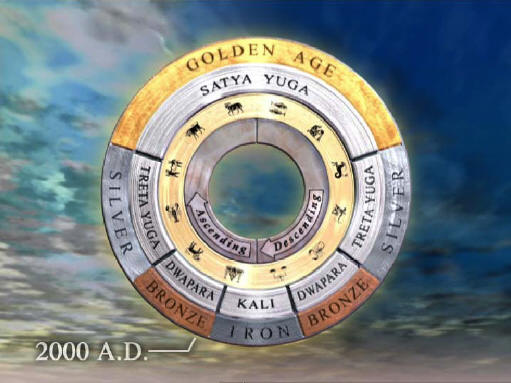
In old Europe human life received its ideal content from the Catholic faith, on the one hand, and from knightly feudalism on the other ~ Vladimir Solovyov. Continue reading
New Birth, New Death
As the festival of the Gentile world nears, Christmas will cast its inevitable charm over the hardest pagan heart, and it will beguile the most Christian heart (as it humanly should) into a forgetfulness of the metaphysical foundations of the Faith; we will forget our deep questions, and will instead … Continue reading
Development of Feeling

Contemporary Western art cannot capture the ideal content of life for the simple reason that it itself has lost it. In the sphere of creative work we see in the West the same alteration in the three supremacies. In the Middle Ages unfettered art does not exist; everything is subordinated to mysticism. Continue reading
The Development of Mind
genuine knowledge is knowledge of the Whole, or the One in Neoplatonic terms, or the Absolute, the Infinite, or the Tao. This form of knowledge is Gnosis and is superior to Reason. Continue reading
Development of the Will
A person desires not only material existence, which is provided by economic society, and not only lawful existence, which is given to him by political society, but he desires as well an absolute existence, one that is complete and eternal. Continue reading
Prelude to Development

Guenon lists two works, Dante’s Divine Comedy and the Romance of the Rose, that describe the esoteric process quite openly. With that in mind, serious men will choose to study those works assiduously rather than indulge in fantasies. Guenon also points to Saint Bernard as an antidote to the poison of modernity. Continue reading
The Nous
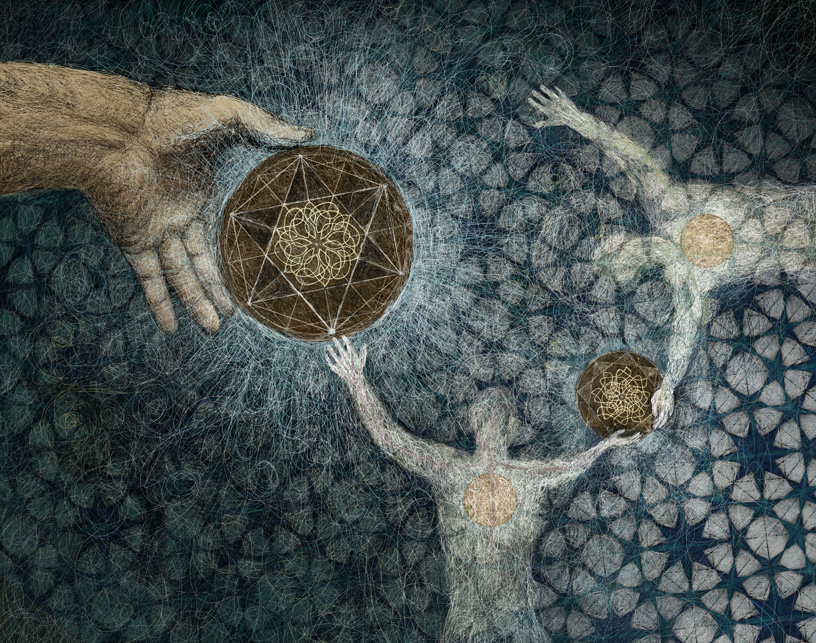
Basil the Great on the Nous. Nevertheless, no one would allege the heaven to be invisible because of what is unknown; it would be said to be visible on account of our limited perception of it. It is just the same in the case of God. If the nous has … Continue reading